Can Red Light Therapy Improve Fat Transfer Survival?
Updated May 2026
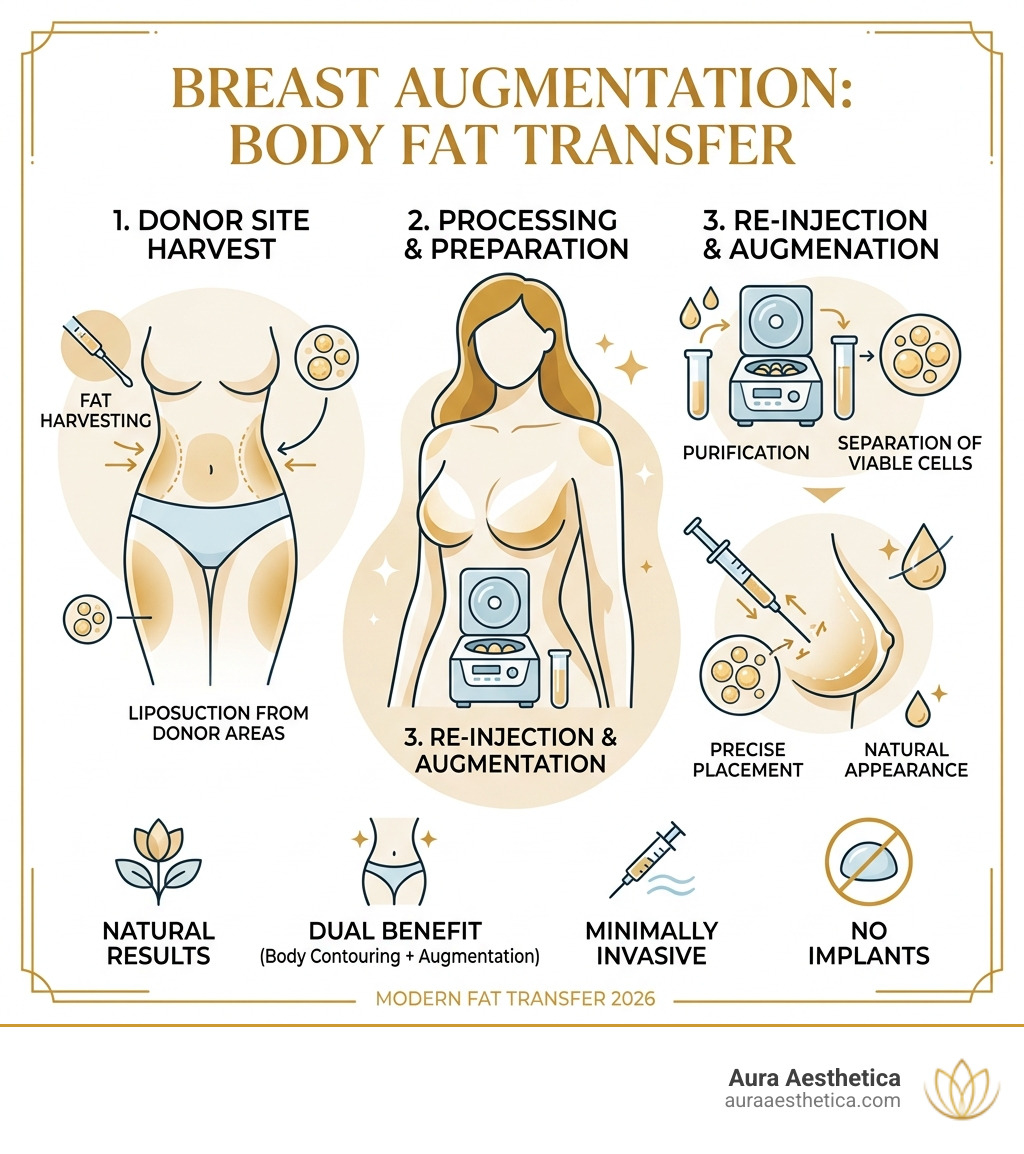
Patients researching fat transfer breast augmentation in Beverly Hills can use this guide as background and then review our comprehensive surgical page for candidacy, safety, and consultation planning.
Reviewed by Dr. Jonathan Kanevsky.
Patients researching red light therapy after fat transfer often want to know whether light-based recovery support can improve fat graft survival. The honest answer is nuanced: red light therapy may support parts of the healing environment, but it should not be presented as a stand-alone way to promise stem-cell effects, fat retention, or a specific long-term volume result.
At Aura Aesthetica in Beverly Hills, recovery is approached through a regenerative, science-forward lens. That means combining meticulous surgical technique with thoughtful aftercare, patient education, and recovery-supportive protocols when appropriate. For patients considering fat transfer breast augmentation, red light therapy can be discussed as one possible supportive tool within a broader plan.
What Fat Graft Survival Means
In fat transfer breast augmentation, fat is gently harvested from donor areas with liposuction, processed, and placed into the breast in small, layered deposits. Fat graft survival refers to the portion of transferred fat that establishes enough blood supply in the new location to become living, integrated tissue.
The fat that successfully vascularizes can contribute to long-term breast volume and contour. The fat that does not establish adequate support is naturally processed and reabsorbed by the body during the early healing period. This is why fat transfer results evolve over several months rather than appearing fully settled immediately after surgery.
Why Some Transferred Fat Is Naturally Reabsorbed
Some reabsorption is expected with any fat grafting procedure. Transferred fat cells are temporarily separated from their original blood supply during harvest and must survive in the recipient tissue long enough for new vascular support to develop.
This process depends heavily on technique. Small-volume, multi-layer micrografting helps place fat close to healthy recipient tissue, where oxygen, nutrients, and new vessel formation may better support graft integration. Large deposits of fat are less likely to be evenly nourished, which is one reason precision matters so much in breast fat grafting.
For a deeper discussion of this biology, read our guide to why fat is reabsorbed after breast augmentation and graft survival.
The Role of Vascularization and Healing
Vascularization is central to fat transfer outcomes. After placement, transferred fat needs a supportive tissue environment so new blood vessels can help nourish surviving cells. Healing quality, inflammation balance, oxygen delivery, nutrition, activity choices, compression, and avoidance of nicotine can all influence recovery.
Because this process is biological, outcomes vary from patient to patient. Fat transfer results depend on surgical technique, vascularization, patient biology, aftercare, and recovery compliance. No device or recovery modality can replace precise surgical planning or careful post-operative behavior.
How Red Light Therapy May Support Recovery
Red light therapy, also called photobiomodulation in medical and wellness contexts, uses selected wavelengths of light to interact with tissue. In the setting of breast fat transfer recovery, it is being studied for its potential to support healing, circulation, mitochondrial activity, inflammation modulation, and tissue recovery.
Those mechanisms are relevant because fat graft survival depends on a healthy recovery environment. Red light therapy may help support comfort and tissue recovery for some patients, and it can be part of a recovery-supportive protocol when recommended by the clinical team.
However, the language matters. Red light therapy should not be described as proof of stem-cell effects, a promise of fat retention, or a way to override individual healing biology. It should be understood as a supportive modality, not a stand-alone determinant of results.
Stem Cells, Fat Transfer, and Careful Claims
Fat tissue contains regenerative cell populations that are part of why stem cells fat transfer topics attract attention. In clinical decision-making, though, the more practical question is whether the transferred tissue is handled gently, placed precisely, and supported by healthy vascularization after surgery.
Aura Aesthetica avoids exaggerated promises about stem cells or fat retention. A regenerative approach means respecting the biology of healing, protecting tissue quality, and using supportive tools thoughtfully rather than making absolute claims.
Why Aura Aesthetica Uses a Regenerative, Science-Forward Approach
Dr. Jonathan Kanevsky’s approach to fat transfer breast augmentation in Beverly Hills emphasizes patient selection, precise fat handling, layered graft placement, realistic expectations, and guided recovery. This aligns with Aura Aesthetica’s broader philosophy of Surgery as Ceremony™: transformation should be intentional, informed, and respectful of the patient’s body and healing journey.
For many patients, natural breast augmentation is appealing because it uses their own fat rather than implants. For the best chance at a stable outcome, the surgical plan and recovery plan must work together.
What Patients Can Do to Support Fat Transfer Recovery
- Follow activity instructions. Movement, exercise, and pressure restrictions are individualized after surgery.
- Avoid nicotine. Nicotine can compromise circulation and healing.
- Maintain stable nutrition. Aggressive dieting during early recovery may work against healthy tissue support.
- Attend follow-up visits. Recovery guidance should be adjusted based on how your body is healing.
- Discuss recovery modalities. Red light therapy may be considered when it fits your personalized aftercare plan.
Keep Reading
If you are comparing natural breast augmentation options, start with the main breast fat grafting procedure page. To understand longevity, read how long fat transfer breast augmentation results may last. To understand retention biology, review why fat is reabsorbed and how graft survival works. To learn how Aura frames the whole experience, visit Surgery as Ceremony™.
Consult with Aura Aesthetica
If you are considering fat transfer breast augmentation Beverly Hills or want to learn about natural breast augmentation recovery, schedule a consultation with Aura Aesthetica. Dr. Kanevsky can explain what affects graft survival, what recovery may look like for your anatomy, and whether red light therapy after fat transfer may be appropriate as part of your individualized plan.
Medically reviewed content
Reviewed by Dr. Jonathan Kanevsky
This educational article was reviewed by Dr. Jonathan Kanevsky, a board-certified plastic surgeon in Beverly Hills specializing in fat transfer procedures, body contouring, breast surgery, and recovery-focused aesthetic planning.
Last updated: May 2026
Related articles
Continue reading: Fat Transfer Breast Augmentation
2026-04-29
Fat Transfer Breast Augmentation Guide 2026 | Beverly Hills
Complete Beverly Hills guide to fat transfer breast augmentation: candidacy, cost, recovery, risks, results, fat survival, and how to choose a specialist.

2026-04-22
What Is Fat Transfer Breast Augmentation? Patient Education Guide
What is fat transfer breast augmentation? Your own fat is harvested, purified, and injected to grow breast volume naturally — no implants. See the basics here.

2026-04-22
Fat Transfer vs Breast Implants: Which Is Right for You?
Fat transfer vs breast implants — which is right for you? See how size, feel, recovery, and long-term risk compare from an implant-free surgical specialist.

2026-04-22
How Long Do Fat Transfer Breast Augmentation Results Last?
How long do fat transfer breast augmentation results last? See why surviving fat is permanent, what affects it, and how the 60-70% retention rate is calculated.
Related reading
Explore next steps for breast fat grafting
- fat transfer breast augmentation Beverly Hills
- breast fat grafting Beverly Hills
- fat grafting breast augmentation
- natural breast augmentation
- breast augmentation with fat transfer
- Beverly Hills cost planning
- Recovery milestones after fat transfer to the breasts
Ready for individualized recommendations? Request your consultation for a personalized treatment plan.