Enhancing Outcomes: The Collaborative Approach of Plastic Surgeons and Psychotherapists
Updated May 2026

Enhancing Outcomes: The Collaborative Approach of Plastic Surgeons and Psychotherapists
Collaboration between professionals from different disciplines can lead to holistic patient care in healthcare. The partnership between plastic surgeons and psychotherapists is an excellent example of this collaboration. Working together, these experts address the physical aspects of a patient condition and their emotional and psychological well-being.
1. Recognizing the mind-body connection: A patient emotional state can significantly influence her healing process and her overall satisfaction with the results of the operation. By recognizing this link between body and mind, plastic surgeons and psychotherapists can work together to create a harmonious, patient-friendly environment.
2. Addressing body image concerns: Plastic surgery often involves a change in appearance, which can profoundly impact body image and self-esteem. Psychotherapists play an essential role in helping patients manage their emotions and expectations in the face of these changes.
3. Preparing for surgery: Before any surgical procedure, thorough preparation is essential. Psychotherapists can help patients understand the psychological aspects of surgery, including the potential impact on their self-image and emotional well-being.
4. Managing anxiety and stress: Surgery can evoke a range of emotions, including anxiety and stress. Psychotherapists equipped with various therapeutic techniques can help patients develop coping strategies, manage anxiety, and navigate the emotional challenges associated with the surgical experience.
5. Supporting Recovery and Rehabilitation: Recovery from plastic surgery involves physical healing as well as emotional adjustment. Psychotherapists work with plastic surgeons to develop personalized post-operative care plans that address patients emotional and psychological needs.
6. Improving communication and patient satisfaction: Plastic surgeons and psychotherapists improve communication and care coordination by working hand in hand. This collaborative approach ensures that patients concerns are effectively addressed, resulting in higher satisfaction rates.
7. Long-term emotional well-being: The impact of plastic surgery goes beyond physical changes. Psychotherapists are crucial in supporting patients on their journey to long-term emotional well-being.
8. Research and education: Ongoing research and education in plastic surgery and psychotherapy strengthen collaboration between these disciplines. Sharing knowledge, expertise, and best practices benefits patients and fosters a culture of interdisciplinary cooperation.
The collaboration between plastic surgeons and psychotherapists represents a powerful partnership in healthcare. This collaborative approach improves outcomes and overall patient satisfaction by recognizing the importance of the mind-body connection.
Aesthetic Decision-Making in the Social Media Era
Social content can shape beauty preferences quickly, but high-quality cosmetic surgery planning should stay grounded in your anatomy, lifestyle, and values. In consultation, we focus on confidence, comfort, and realistic expectations rather than chasing a single trend or ideal.
This short educational video explores how beauty standards can shift online and why individualized goals are central to ethical cosmetic surgery decisions. If you are exploring natural breast augmentation options, compare fat transfer breast augmentation versus implants, review our breast fat grafting procedure page, and browse before-and-after results before your visit.
For personalized planning, schedule a cosmetic surgery consultation to discuss outcomes that align with your long-term goals and mindset.
For more information, please schedule a consultation with Dr. Jonathan Kanevsky at his Beverly Hills plastic surgery clinic. To book, call 310-773-4596.
Medically reviewed content
Reviewed by Dr. Jonathan Kanevsky
This educational article was reviewed by Dr. Jonathan Kanevsky, a board-certified plastic surgeon in Beverly Hills specializing in fat transfer procedures, body contouring, breast surgery, and recovery-focused aesthetic planning.
Last updated: May 2026
Related articles
Continue reading: Related Articles
01 April, 2026
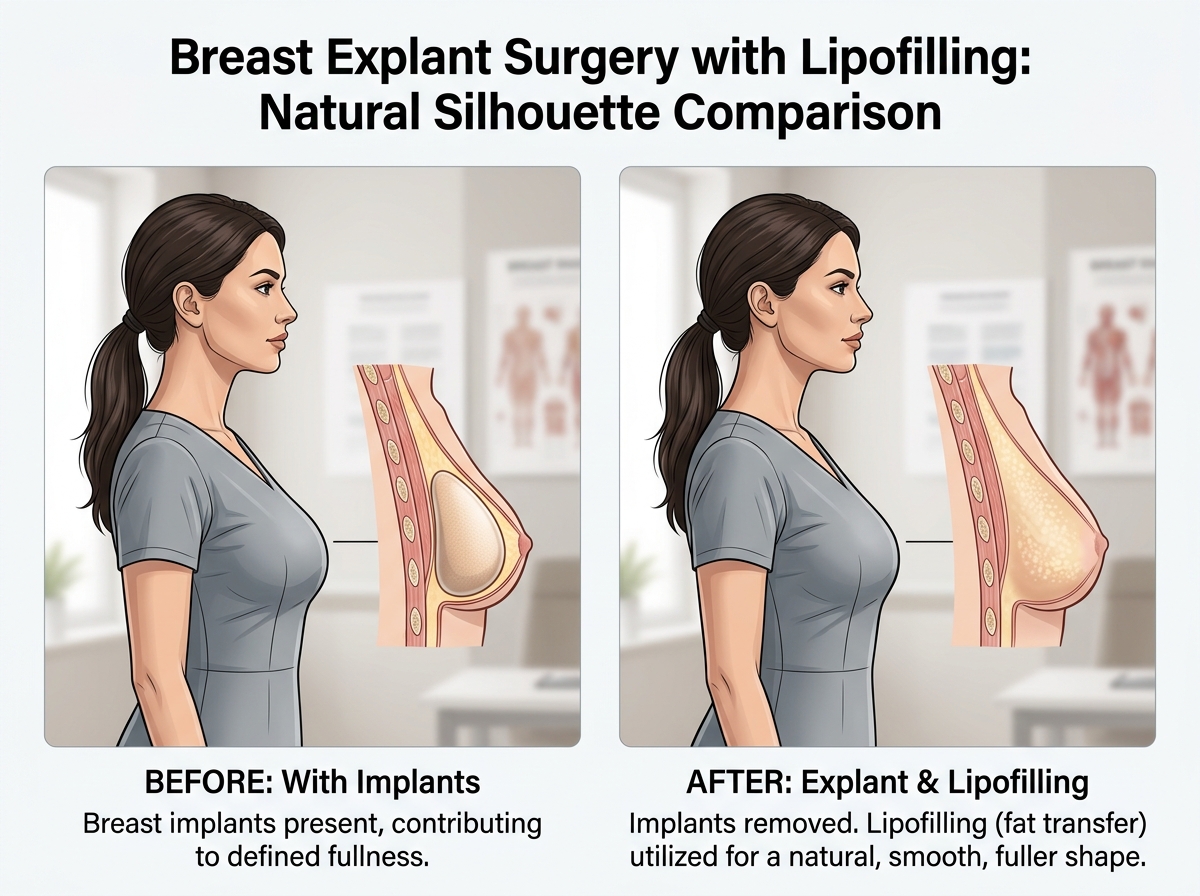
More Women Are Choosing the Breast Explant Lipofilling Combo - Here is Why
The breast explant lipofilling combo removes implants and replaces volume with your own fat in one surgery. See why patients pick it and what recovery involves.
2026-04-23
Why Patients Travel to Beverly Hills for Breast Fat Transfer — and What Sets Aura Aesthetica Apart
Beverly Hills breast fat transfer patients fly in nationwide. See what sets Aura Aesthetica's implant-free specialty apart from other Beverly Hills practices.

2026-04-23
Fat Transfer Breast Augmentation vs BBL: Which Procedure Is Right for You?
Fat transfer breast augmentation vs BBL — same technique, different goals and risks. See a surgeon's breakdown to help you decide which procedure fits.

2026-04-22
Fat Transfer vs Breast Implants: Which Is Right for You?
Fat transfer vs breast implants — which is right for you? See how size, feel, recovery, and long-term risk compare from an implant-free surgical specialist.