Smoking - A major risk factor for complications during and after aesthetic surgery
Updated May 2026
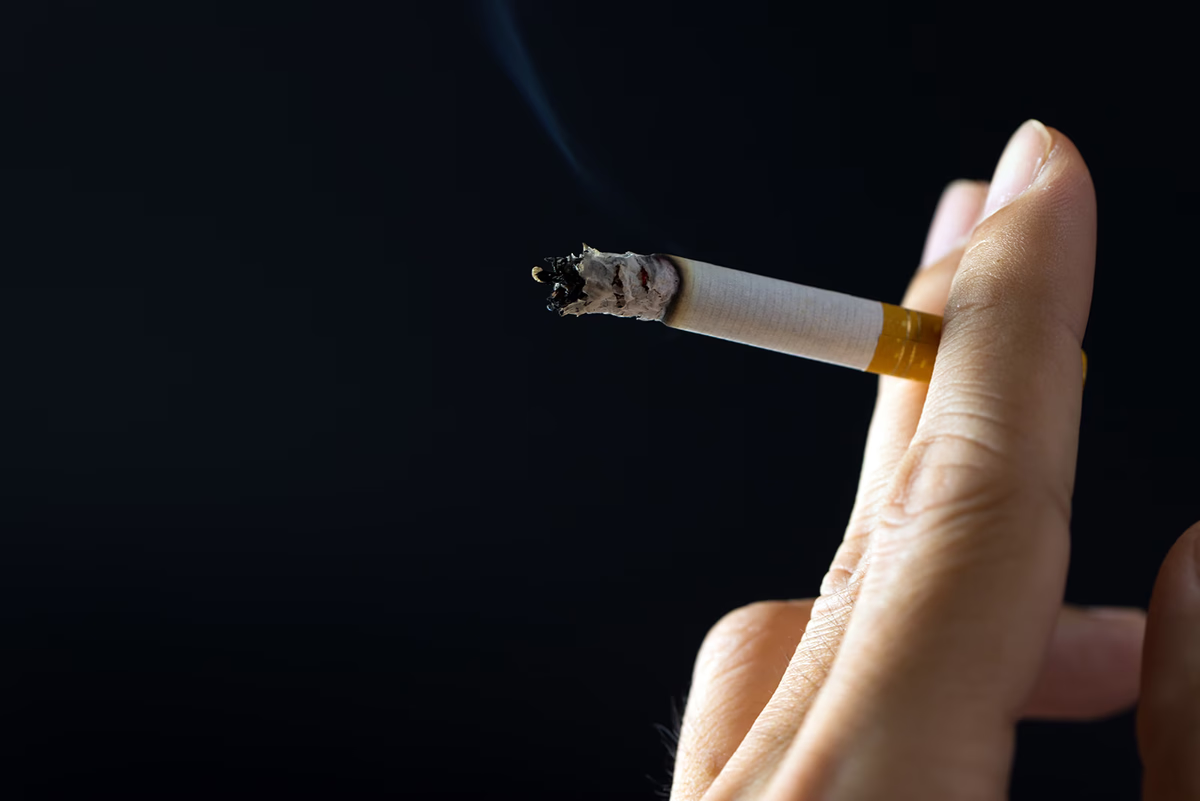
Smoking -- A Major Risk Factor for Complications During and After Aesthetic Surgery
Smoking is a significant risk factor for many health problems, including cancer, heart disease and lung disease. It is also a vital complication risk factor during and after cosmetic surgery.
One of the main dangers of smoking and cosmetic surgery is the increased risk of complications during the procedure. Smoking reduces oxygen flow to the skin and other tissues, making it harder for the body to heal after surgery. It can also weaken the body immune system, making it more vulnerable to infection. These factors can increase the risk of complications during and after surgery, such as bleeding, infection and scarring.
Smoking can also affect the results of cosmetic surgery. For example, smoking can lead to skin elasticity and collagen loss, resulting in wrinkles, sagging and other signs of aging. It can also cause skin discoloration and irregularities, which can impact the overall appearance of results. In addition, smoking can hinder the body ability to heal and regenerate after surgery, which can affect the procedure outcome.
For these reasons, patients must stop smoking before and after cosmetic surgery. Many surgeons will ask patients to stop smoking before surgery to minimize the risk of complications and optimize results. This may involve using nicotine replacement therapy or other smoking cessation methods.
In conclusion, smoking is a significant risk factor for complications and sub-optimal results during and after cosmetic surgery. By quitting smoking, patients can improve their overall health and achieve the best possible results from their cosmetic surgery.
For more information, please schedule a consultation with Dr. Jonathan Kanevsky at his Beverly Hills plastic surgery clinic. To book, call 310-773-4596.
Medically reviewed content
Reviewed by Dr. Jonathan Kanevsky
This educational article was reviewed by Dr. Jonathan Kanevsky, a board-certified plastic surgeon in Beverly Hills specializing in fat transfer procedures, body contouring, breast surgery, and recovery-focused aesthetic planning.
Last updated: May 2026
Related articles
Continue reading: Related Articles
01 April, 2026
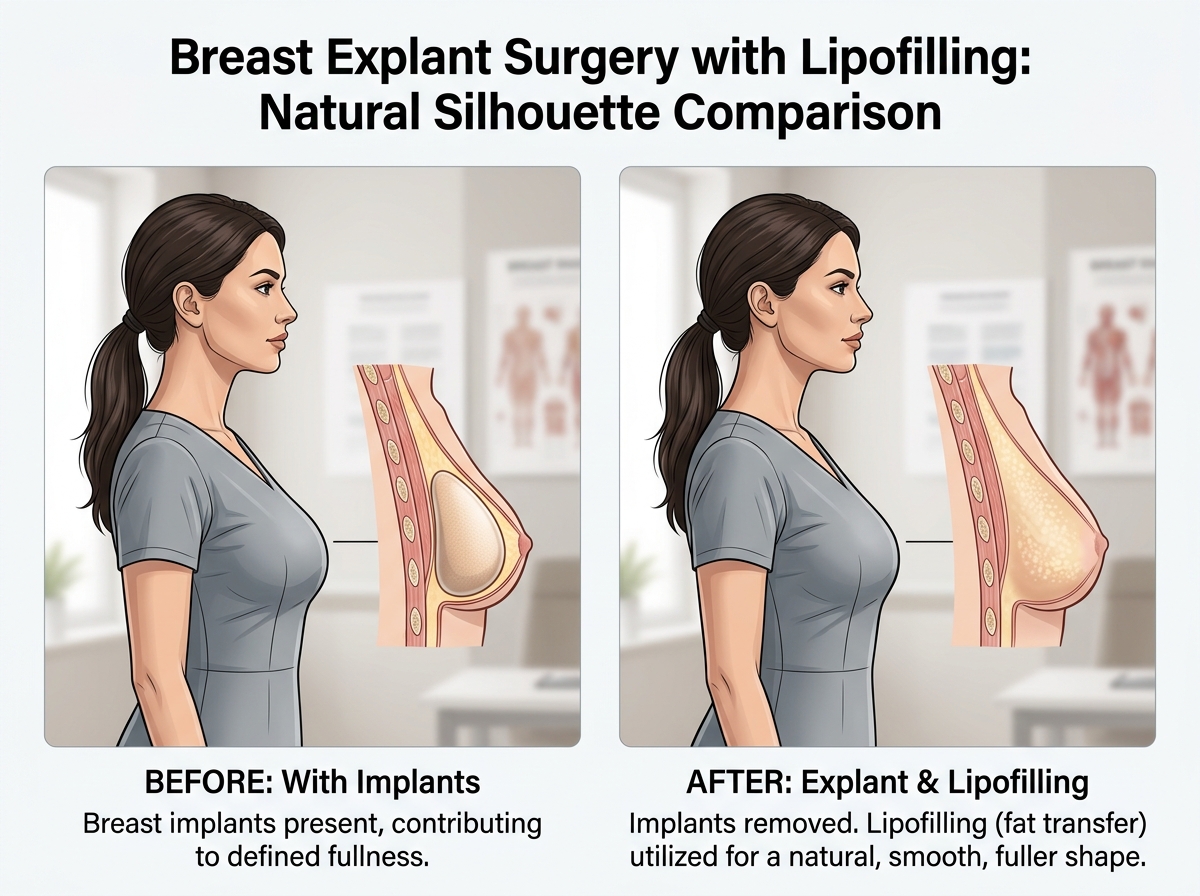
More Women Are Choosing the Breast Explant Lipofilling Combo - Here is Why
The breast explant lipofilling combo removes implants and replaces volume with your own fat in one surgery. See why patients pick it and what recovery involves.
2026-04-23
Why Patients Travel to Beverly Hills for Breast Fat Transfer — and What Sets Aura Aesthetica Apart
Beverly Hills breast fat transfer patients fly in nationwide. See what sets Aura Aesthetica's implant-free specialty apart from other Beverly Hills practices.

2026-04-23
Fat Transfer Breast Augmentation vs BBL: Which Procedure Is Right for You?
Fat transfer breast augmentation vs BBL — same technique, different goals and risks. See a surgeon's breakdown to help you decide which procedure fits.

2026-04-22
Fat Transfer vs Breast Implants: Which Is Right for You?
Fat transfer vs breast implants — which is right for you? See how size, feel, recovery, and long-term risk compare from an implant-free surgical specialist.